Pittsburg, CA • Serving East Contra Costa County*(Pittsburg, Antioch, Brentwood, Oakley, Bay Point, Concord)*
1) Start with rock-solid screening (and stick to written criteria)
Quality residents cause fewer headaches. We use objective criteria and verify everything:
● Income & employment (with docs you can trust) ● Credit, background, and eviction checks ● Prior housing provider verifications (real references, not just friends) ● Pet/animal screening with clear rules and deposits/fees where applicable ● Consistent, fair-housing compliant decisions Result: fewer surprises, better care of the home, and stronger lease performance.

2) Set expectations on Day 1 (lease + orientation)
A clear lease and a quick orientation reduce “I didn’t know” moments:
● Who handles what (filters, landscaping, minor upkeep) ● How/when to report issues (and why “fast” saves everyone money) ● Cleanliness, smoke/odor control, guest/parking rules, quiet enjoyment ● Leak response, trip hazards, and safety basics ● Where to find the portal, office hours, and emergency line We also provide move-in and move-out checklists and make sure residents know how to get timely help.
3) Use compliant deposits & require renter’s insurance
● Set deposits within current California limits and any local rules. ● Require renter’s insurance with minimum liability coverage and proof before keys. ● Use clear addenda for pets/animals and any risk-prone items (aquariums, fireplaces, etc.). Tip: Clear money terms + clear rules = fewer disputes later.
4) Document condition like a pro (before, during, after)
Evidence wins disputes and discourages neglect:
● Move-in report with high-res photos/video (and 3D scans when appropriate) ● Mid-lease condition assessments to catch issues early ● Move-out report with side-by-side documentation for fair, defensible charges Everything lives in your file so you have a clean record if questions arise.

5) Prioritize licensed, insured vendors (and right-sized authorization)
Cut-rate work becomes expensive fast. We dispatch licensed/insured pros, use standardized scopes, and set work-authorization limits so urgent items move quickly while larger repairs get owner confirmation. That balance protects residents, timelines, and your budget.
6) Put eyes on the exterior (small cost, big protection)
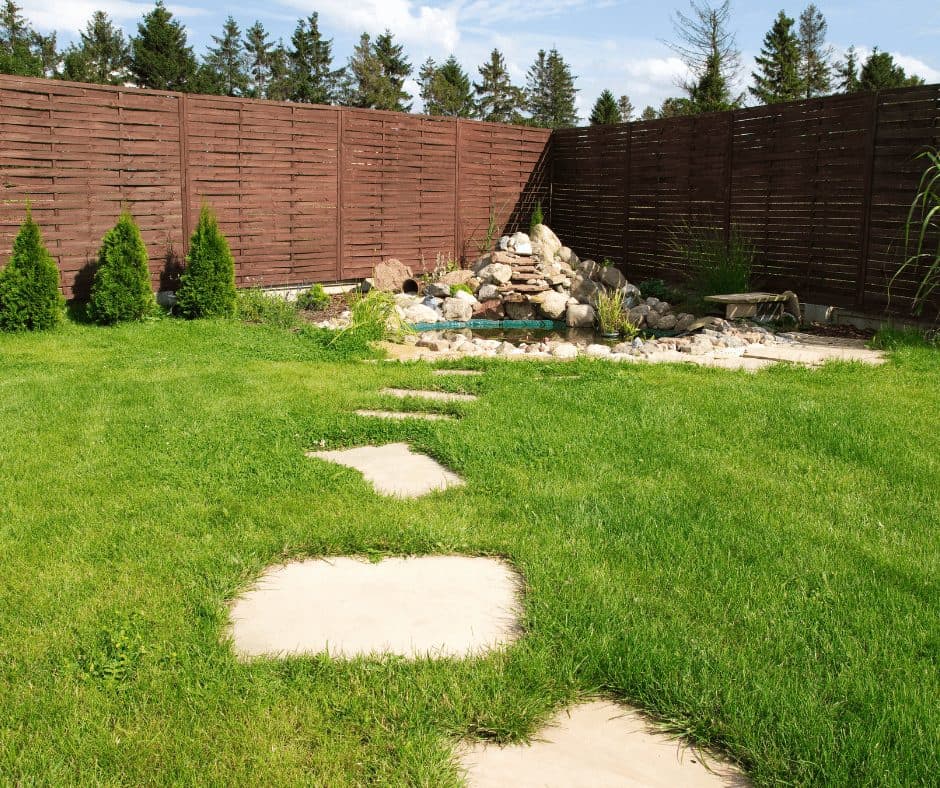
Professional landscaping or scheduled yard checks do more than keep things pretty, they put trained eyes on the property to spot leaks, broken sprinklers, trip hazards, or misuse early.

7) Choose materials that survive turnovers
A few durable choices save thousands over the life of the asset:
● LVP/engineered flooring in high-traffic areas
● Washable paints in neutral colors
● Tamper-resistant detectors and durable hardware
● LED bulbs and water-saving fixtures
8) When damage happens, act quickly (and document)
We send proper notices, schedule repairs, and charge back with documentation when the lease allows. At move-out, you’ll receive an itemized accounting and receipts within the required statutory timeline.
DIY help or full-service? Your call.
Prefer to stay hands-on? Book à-la-carte support year-round:
● Tenant Placement (pricing, marketing/syndication, showings, screening, digital lease, funds, condition docs)
● Mid-Lease Condition Assessments
Frequently asked questions
What can a California landlord deduct from a security deposit?
California landlords can deduct unpaid rent, cleaning costs to restore the unit to move-in condition, and repair costs for damage beyond normal wear and tear. Deductions must be itemized in a written statement with receipts provided to the tenant within 21 days of move-out.
What is the difference between normal wear and tear and tenant damage in California?
Normal wear and tear includes faded paint, minor scuffs, worn carpet from regular use, and small nail holes. Tenant damage includes stains, holes in walls, broken fixtures, unauthorized modifications, and pet damage. Only damage beyond normal wear and tear can be charged against the security deposit.
How do I document my rental property's condition at move-in in California?
Conduct a written move-in inspection with the tenant present, document every existing condition room by room, and take date-stamped photos of the entire unit before the tenant takes possession. Have the tenant sign the inspection form acknowledging its accuracy. California law requires landlords to provide tenants an opportunity to participate in the move-in inspection.
How long does a California landlord have to return a security deposit after move-out?
California landlords must return the security deposit (or a written itemized statement of deductions with any remaining balance) within 21 calendar days of the tenant vacating the unit. Failure to return the deposit within 21 days, or making bad-faith deductions, can result in the tenant recovering up to twice the deposit amount in court.