
A vacant rental is quiet, dark and easy to enter. For a housing provider (landlord), the questions arrive in a bad order: someone got in, someone may be living there, and the insurance may not apply. This guide answers the questions California owners ask most about squatters and break-ins at a vacant rental, using the statutes themselves.

How do squatter's rights work in California?
The first law that matters is trespass. Penal Code section 602 makes it a misdemeanor to willfully commit a trespass, and subdivision (m) lists "entering and occupying real property or structures of any kind without the consent of the owner, the owner's agent, or the person in lawful possession." In plain terms, a person who gets into your vacant rental and stays without permission is committing a crime.
That does not mean the owner can remove the person by force. California also defines two offenses that owners should know about. Under Code of Civil Procedure section 1159, forcible entry includes entering by breaking open doors or windows or by violence, or turning out the party in possession by force, threats or menacing conduct. Under section 1160, forcible detainer includes holding possession by force or threats of violence. Ask your attorney how these apply before you act on your own.
What is the fastest way to get someone out of a vacant rental?
The statutes we read offer no shortcut, and several shortcuts are against the law. If the person is a tenant, Civil Code section 789.3 says a landlord may not, with intent to end the occupancy, willfully interrupt utilities such as water, heat, light, electricity or gas, prevent access by changing the locks or using a bootlock, or remove outside doors or windows. If someone has broken in and is staying, start with the police and an attorney, not with the locks or the utilities.
Does insurance cover a vacant rental?
Check before you need it. The standard form of fire insurance policy in Insurance Code section 2071 says the insurer is not liable for loss while a described building is "vacant or unoccupied beyond a period of 60 consecutive days." Your own policy may differ, so call your insurer when a rental is about to sit empty and ask what the policy covers and for how long.
How do you stop break-ins at a vacant rental?
Stop the access first. For one owner we helped, an older home had sat vacant for a few months while her reserves ran down. There had been three break-ins. Each time the police made the people leave with their belongings, and each time they came back. Every break-in cost hundreds of dollars to board windows and haul away trash.
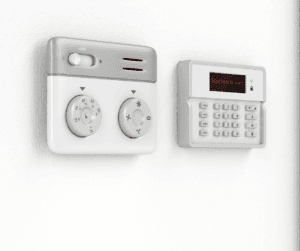
With her permission, we had a monitored alarm system installed right away. The monthly cost was smaller than paying for damage after each break-in, and a monitored alarm gives a future resident peace of mind. Then we checked the home, found safety items that needed repair before anyone could live there, had a vendor finish them in a few days, screened applicants and leased the home. It stayed leased.
Our read, from the operator's chair
A vacant home is not only a security problem, it is a time problem. The longer it sits empty, the more chances there are for someone to get in, and the more the owner's reserves shrink. In that case, the alarm stopped the break-ins, and the lease ended the exposure. If you own a vacant rental in Pittsburg, Antioch, Brentwood, Oakley, Bay Point or Concord and want it leased faster, schedule a call, and see what full-service management includes on our pricing page.
This guide is general information about California law and is not legal advice. Laws change; confirm your situation with a California attorney and your insurer.
Frequently asked questions
Is it a crime to live in someone else's vacant rental in California?
Yes. Under Penal Code section 602(m), entering and occupying real property without the consent of the owner, the owner's agent or the person in lawful possession is a misdemeanor trespass.
Can a landlord shut off utilities or change the locks on a squatter in California?
Civil Code section 789.3 bars a landlord from interrupting utilities, changing the locks or removing doors and windows with intent to end a tenant's occupancy. If someone has broken into a vacant rental, call the police and an attorney before acting on your own.
Does insurance cover a vacant rental property in California?
The state's standard fire insurance policy form (Insurance Code section 2071) says the insurer is not liable for loss while a building is vacant or unoccupied beyond 60 consecutive days. Your policy may differ, so ask your insurer before a rental sits empty.