
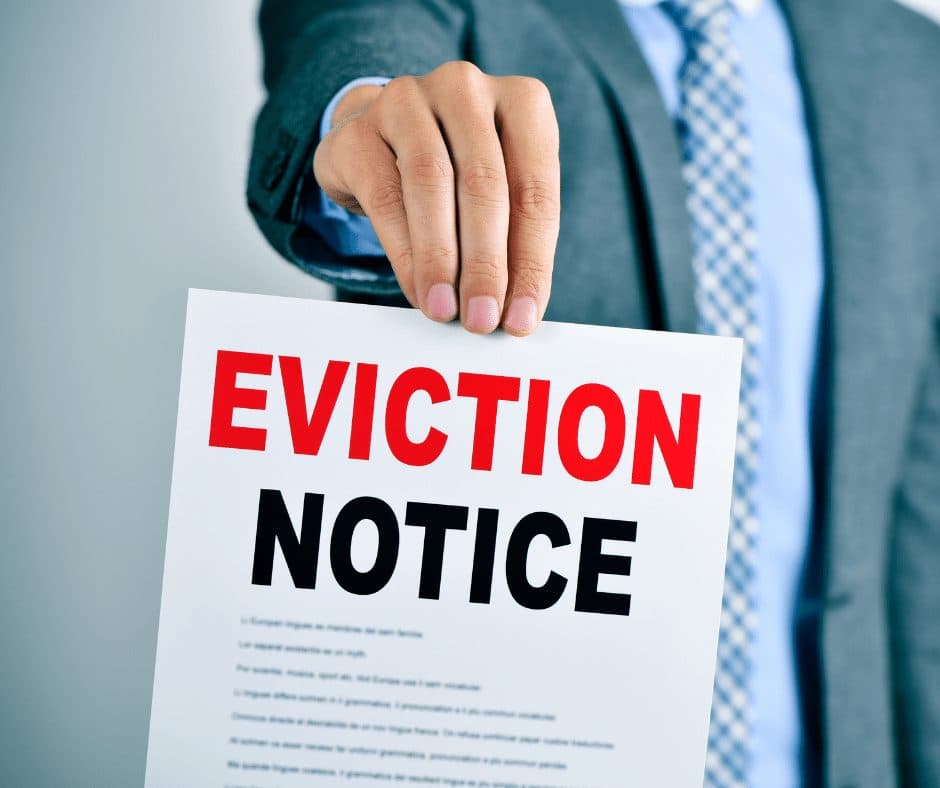
Evicting a tenant in California is one of the most legally demanding tasks a housing provider faces. The process is governed by a layered set of state statutes, local ordinances, and court procedures - and a single procedural error can dismiss your case and force you to start over, adding weeks or months to the timeline.
This article is for educational purposes only and does not constitute legal advice. Eviction law varies by city and by property type. Consult a licensed California attorney before serving any notice.
Before you begin: know your legal ground
Which Properties Require Just Cause
California AB 1482 (the Tenant Protection Act) requires just cause to evict tenants in covered units after 12 months of occupancy. A property is covered if:
- The building received its certificate of occupancy more than 15 years ago (this threshold rolls forward each year)
- The property is multi-family, OR is a single-family home or condo owned by a corporation, REIT, or LLC with corporate members
Exempt properties include: buildings less than 15 years old, owner-occupied duplexes, and single-family homes or condos owned by individual people - but only if the owner provided the tenant with the specific statutory exemption notice required by Civil Code section 1946.2(e)(8)(B) before or at the start of the tenancy. Generic lease language does not satisfy this requirement. If you never gave proper written notice of the exemption, your single-family home may be covered by AB 1482 even if you believe it should not be.
City-Specific Protections in East Contra Costa County
State law is the floor, not the ceiling. Several East CoCo cities have enacted stronger local protections:
- Antioch: Passed a just cause eviction ordinance in 2024 that expands on AB 1482, adds tenant buyout agreement requirements, and carries penalties of up to $1,000 per violation and up to 6 months county jail.
- Concord: Enacted its Residential Tenant Protection Program (Municipal Code Chapter 19.40), effective April 2024, with just cause protections and a 5% annual rent cap. Applies to landlords renting 3 or more single-family homes or condos in Concord.
- Richmond: Has had strong rent control and just cause protections since 2016. Richmond landlords must file a copy of any eviction notice with the Richmond Rent Program within 2 business days of service.
Always verify whether your specific city has its own ordinance before serving any notice.
Step 1: identify the legal reason for eviction
Every California eviction must be based on a legally recognized ground. Using a technical lease violation as pretext for a discriminatory motive exposes you to significant civil and criminal liability.
At-Fault Causes (No Relocation Assistance Required)
The following are recognized at-fault grounds under Civil Code section 1946.2(b)(1):
- Nonpayment of rent - the most common ground
- Material breach of the lease - unauthorized pets, subletting without permission, unauthorized occupants, or other specific documented violations
- Nuisance - repeated disturbances or conduct that substantially interferes with other tenants
- Waste - intentional damage to the property beyond normal wear and tear
- Criminal activity on the premises
- Unlawful use of the unit
No-Fault Causes (Relocation Assistance Required for AB 1482-Covered Units)
For covered properties, the following no-fault grounds require paying the tenant one month's rent in relocation assistance within 15 calendar days of serving the termination notice. Failure to pay within that window invalidates the notice:
- Owner or qualifying family member move-in (see SB 567 requirements below)
- Withdrawal from the rental market (Ellis Act)
- Government order requiring vacancy
- Substantial remodel requiring permits and at least 30 consecutive days of displacement
Fair Housing Compliance: Required at Every Step
California and federal fair housing law apply throughout the entire eviction process. Protected classes under California law include race, color, national origin, religion, sex, familial status, disability, marital status, sexual orientation, gender identity, source of income (including housing vouchers), immigration status, age (40+), ancestry, and military/veteran status.
Key requirements:
- Apply policies consistently. Enforcing a lease rule against one tenant while overlooking the same violation by another is unlawful disparate treatment, regardless of which group each tenant belongs to.
- Engage in the interactive process before evicting a tenant whose lease violation may be related to a disability - for example, an unauthorized assistance animal or a request for a unit modification. You must consider reasonable accommodations before proceeding.
- Housing Choice Voucher (Section 8) tenants are entitled to 90 days written notice for no-fault terminations under federal HUD rules - longer than California's standard 30/60-day requirement.
- Never retaliate. If a tenant has filed a habitability complaint, contacted code enforcement, or exercised any legal right within the past 6 months, California law presumes any adverse action you take is retaliatory. You bear the burden of proving a legitimate, independent reason.
Step 2: serve the correct written notice
California evictions begin with a written notice served on the tenant. The notice type, content, and service method must all be exactly right. Courts dismiss UD cases over minor notice defects, requiring the landlord to start over.
3-Day Notice to Pay Rent or Quit
- Triggers when rent is unpaid after the grace period
- Must state the exact dollar amount owed - an estimate or rounded figure is a defect that causes dismissal
- Must list accepted payment methods
- Tenant has 3 calendar days (excluding weekends and court holidays) to pay in full or vacate
- Do not accept partial payment after serving this notice - doing so may void the notice entirely
- If using post-and-mail service (affix to door + mail a copy), add 5 days to the notice period
3-Day Notice to Cure or Quit
- For curable lease violations: unauthorized occupants, unauthorized pets, subletting, specific noise or use violations
- Must describe the specific violation in detail - vague language causes dismissal
- Tenant has 3 court days to cure the violation or vacate
- If cured within 3 days, the tenancy continues
3-Day Unconditional Quit Notice
- For non-curable breaches: criminal activity, serious intentional damage, repeated nuisance after prior written warnings
- Courts scrutinize these notices heavily - document all evidence thoroughly before serving
30-Day or 60-Day Notice to Terminate Tenancy
- 30 days: Tenant has occupied the unit for less than 1 year
- 60 days: Tenant has occupied for 1 year or more
- For covered units under AB 1482, must state a qualifying no-fault reason and include relocation assistance language
SB 567: Tightened Rules for Owner Move-In and Renovation Notices
SB 567 (effective April 1, 2024) significantly tightened these two common no-fault grounds:
Owner or family move-in: The notice must name the specific person moving in and their relationship to the owner. That person must move in within 90 days and live there as their primary residence for at least 1 year. No comparable vacant unit may exist on the same property at the time of the eviction. Violating these requirements after the fact exposes the landlord to up to three times actual damages, punitive damages, and attorney fees.
Substantial renovation: Work must substantially modify structural, plumbing, electrical, or mechanical systems; require permits; and make the unit uninhabitable for at least 30 consecutive days. You must provide detailed written documentation of the planned work with the notice and inform the tenant of their right to return at the same rent after the renovation is complete.
Step 3: wait for the notice period to expire
Day counting begins the day after service, not the day of service. If the tenant cures the violation or pays in full during the notice period, the proceeding ends. If the notice period expires without cure or surrender, you may file the unlawful detainer lawsuit.
Step 4: file the unlawful detainer complaint
File at the Contra Costa Superior Court (main courthouse in Martinez for most East CoCo properties). The court issues a summons, which must be served on every adult tenant named on the lease.
Service methods in order of preference:
- Personal service - hand-delivered directly to the tenant
- Substituted service - left with another adult at the residence, plus a copy mailed
- Post-and-mail - affixed to the door plus a copy mailed, as a last resort
Service defects are the most common grounds for dismissal. Confirm the correct legal names and current address of every adult occupant before filing.
Step 5: The 10-Court-Day Response Window (AB 2347, Effective January 1, 2025)
AB 2347 extended the tenant response window from 5 calendar days to 10 court days (excluding weekends and judicial holidays) - approximately 2-3 weeks in calendar time.
Tenants may respond with a UD-105 Answer, a Demurrer, a Motion to Quash, or a Motion to Strike.
Before requesting a default judgment, you must file proof of service at least 3 court days prior. Courts reject premature default requests under the new rule.
Step 6: default judgment or trial
If no response is filed: File a Request for Default. After the clerk enters default, request a default judgment. In uncontested cases, judgment can issue within days.
If a response is filed: The case proceeds to trial. California imposes compressed discovery timelines on UD cases. Trial must be set within 20 days of the trial-setting request. The landlord must prove: a valid tenancy existed, proper notice was served and correctly executed, the notice period expired, and the tenant remains in possession.
Step 7: writ of possession and sheriff lockout
After judgment for the landlord, the court clerk issues a Writ of Possession to the county sheriff. The sheriff posts a 5-day vacate notice at the property. If the tenant has not vacated after 5 days, the sheriff conducts the physical lockout.
The sheriff - not the landlord - executes the lockout. You have no authority to change locks, remove belongings, or shut off utilities at any point before the sheriff executes the writ.
What you cannot do: self-help eviction is illegal
The only legal path to remove a tenant is through the court-supervised unlawful detainer process. Self-help eviction is both a civil violation and a criminal misdemeanor in California.
The following actions are illegal under Civil Code section 789.3, regardless of what the tenant has done:
- Changing or adding locks while the tenant still occupies the unit
- Removing or discarding the tenant's personal property
- Shutting off electricity, gas, water, or any other utility
- Removing doors, windows, or appliances
- Boarding up windows or doors
- Making threats designed to force the tenant to leave
Civil penalties: Minimum $100 per day for each day a violation continues, plus actual damages (hotel costs, replacement property value, emotional distress) and attorney fees paid by the landlord.
Criminal penalties: Misdemeanor under Penal Code section 418, punishable by up to 6 months in county jail.
Estimated timeline (2026)
| Scenario | Approximate Duration |
|---|---|
| Uncontested (default judgment) | 30-45 days from notice to sheriff lockout |
| Contested - bench trial | 45-75 days |
| Contested - jury trial | 75-120+ days |
These estimates assume correct notice service and no filing errors. A defective notice, improper service, or premature default request resets the clock entirely.
Our read, from the operator’s chair
Most of the evictions we see up close were won or lost months before anyone drafted a notice. The tenancy that ends in court usually shows the same early pattern: late rent handled informally, violations documented nowhere, conversations living on text threads nobody saved. So our discipline is unglamorous: every incident logged the day it happens, every notice served correctly the first time, and an attorney engaged the moment a case looks contested, because the courtroom is their arena, not ours. The cheapest eviction is the one your screening prevented; the second cheapest is the one your file made undeniable.
Working with a licensed property manager
Croskey Real Estate manages rental properties in Pittsburg, Antioch, Brentwood, Oakley, Bay Point, and Concord. Our team handles lease compliance, notice documentation, and eviction coordination in partnership with licensed California eviction attorneys. If you are facing a difficult tenant situation in East Contra Costa County, schedule a call and we will talk through where you stand.
Croskey Real Estate is an Equal Housing Opportunity provider. DRE #01990430.
Frequently asked questions
How long does an eviction take in California in 2026?
An uncontested eviction (default judgment) in Contra Costa County takes approximately 30-45 days from serving the initial notice to the sheriff lockout. If the tenant files a response and the case goes to a bench trial, expect 45-75 days. A jury trial can extend to 75-120 or more days. AB 2347, effective January 1, 2025, added approximately 5-10 calendar days to uncontested cases by extending the tenant response window from 5 to 10 court days.
What is just cause eviction in California and does it apply to my property?
AB 1482 (the Tenant Protection Act) requires landlords to have a legally recognized reason to evict a tenant who has lived in a covered unit for 12 or more months. A property is covered if the building is more than 15 years old and is multi-family, or is a single-family home owned by a corporation, REIT, or LLC with corporate members. Single-family homes owned by individuals are exempt - but only if the landlord gave the tenant the specific statutory notice of exemption required by Civil Code section 1946.2(e)(8)(B). Generic lease language does not satisfy this. Cities like Antioch and Concord have additional local ordinances that add further protections.
What did AB 2347 change about California evictions?
AB 2347, effective January 1, 2025, extended the time tenants have to respond to an unlawful detainer summons from 5 calendar days to 10 court days, excluding weekends and judicial holidays. In calendar terms, this is typically 2-3 weeks. Landlords must also file proof of service at least 3 court days before requesting a default judgment - courts reject premature requests under the new rule.
Do I have to pay relocation assistance to evict a tenant in California?
Relocation assistance is required for no-fault evictions of tenants in AB 1482-covered units. The landlord must pay one month's rent within 15 calendar days of serving the termination notice. Failure to pay within that window invalidates the notice entirely, requiring the landlord to start over. No relocation assistance is required for at-fault evictions such as nonpayment of rent or material lease violations.
Can I change the locks or shut off utilities to force a tenant to leave?
No. Self-help eviction is illegal in California regardless of what the tenant has done. Changing locks, shutting off utilities, removing the tenant's property, or boarding up windows while a tenant still occupies the unit violates Civil Code section 789.3. Civil penalties start at $100 per day plus actual damages and attorney fees. It is also a misdemeanor under Penal Code section 418, punishable by up to 6 months in county jail. The only legal path to remove a tenant is through the court-supervised unlawful detainer process, ending with a sheriff lockout.
Sources
- California Code of Civil Procedure Section 1161 - Unlawful detainer grounds
- AB 2347 (2024) - Unlawful detainer: tenant response time extended to 10 days
- SB 567 (2023) - Termination of tenancy: no-fault just causes
- AB 1482 (2019) - Tenant Protection Act
- California Courts Self-Help Guide - Eviction process for landlords
Keep reading

East Contra Costa rental market, 2026 update: the 2025 soft patch is over, and what owners should do now
Jul 1, 2026

AB 325 and rent pricing software in California: what the law says, and how we set rent
Jul 1, 2026
SB 610: What California Landlords Must Know About Wildfire and Emergency Duties (2026)
Jul 1, 2026