Introduction Owning a rental property is a fantastic investment, but it comes with responsibilities. One of the most critical, yet often overlooked, tasks is the rental property inspection, also called a Property Condition Assessment (PCA). Whether you’re a hands-on housing provider (landlord) or working with a professional team, routine inspections and condition assessments safeguard your property, ensure tenant satisfaction, and keep you in compliance with local regulations.
Property Inspections vs. Condition Assessments
Landlords often search for rental property inspections; property managers and investors may say Property Condition Assessment or PCA. For occupied rentals in California, both terms describe the same proactive practice: a documented walk-through of the unit to check condition, safety, lease compliance, and maintenance needs, not a pre-purchase building inspection.
On this page, we use both terms because owners look for either one. The checklist and documentation steps below apply whether you call it an inspection or a condition assessment.
Why Rental Property Inspections and Condition Assessments Are Essential
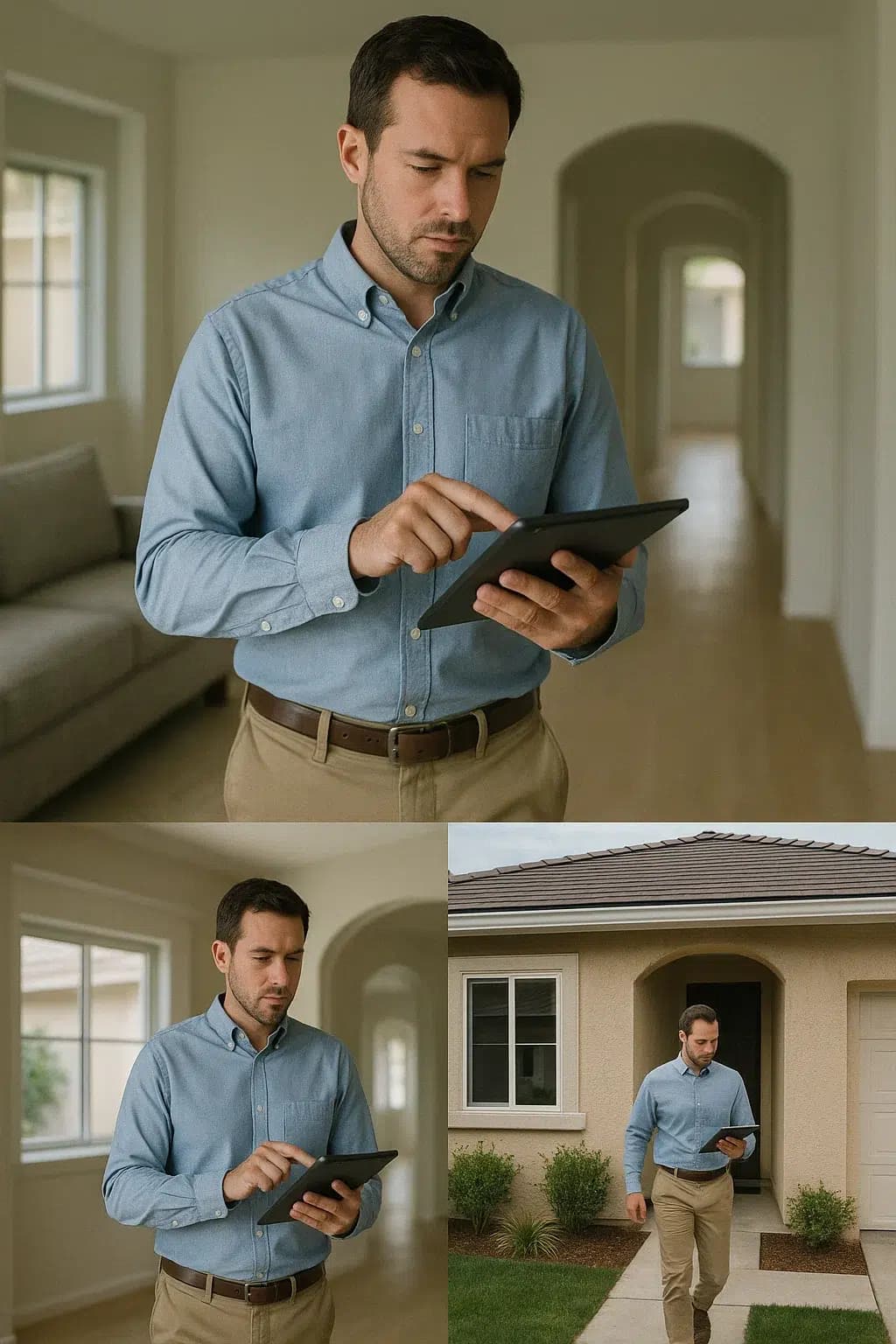
Regular rental property inspections and Condition Assessments are your first line of defense. Here’s why they matter:
☑ Identify small issues before they escalate into costly repairs. ☑ Confirm that tenants are following lease terms. ☑ Reduce liability risks by addressing safety concerns. ☑ Document the property’s condition for future disputes or insurance claims.
Ignoring these inspections and assessments could lead to hidden damage, unauthorized occupants, or neglected maintenance, all of which hurt your bottom line.
What to Review During a Rental Property Inspection
A thorough rental property inspection or Condition Assessment covers interior and exterior aspects. Here’s a helpful checklist:
Exterior:
☑ Roof, gutters, and drainage.
☑ Landscaping and exterior walls.
☑ Windows, doors, and paint condition.
Interior:
☑ Smoke and CO detector functionality.
☑ Plumbing leaks and moisture issues.
☑ Appliance conditions and general cleanliness.
☑ Signs of unauthorized pets or occupants.
Always respect tenant privacy by providing appropriate written notice per California law (typically 24 hours for non-emergency entry).
When to Schedule Rental Property Inspections
Plan inspections at predictable points in the tenancy:
Move-in inspection, Document baseline condition with photos before or at key handoff. Compare against the move-out report later. The California move-in and move-out inspection checklist and guide covers the full legal sequence.
Mid-lease inspection: Catch leaks, unauthorized occupants, or deferred maintenance before renewal. Croskey offers mid-lease condition assessments for DIY landlords in East Contra Costa.
Move-out inspection, Assess wear and tear vs. tenant damage for security-deposit decisions and turnover planning.
California generally requires at least 24 hours’ written notice before a non-emergency interior inspection. Build inspections into your lease and management calendar so they are routine, not reactive.
How to Document Effectively
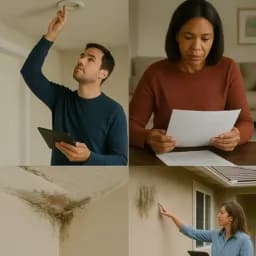
Solid documentation protects your investment. Here’s how:
☑ Take clear photos of property conditions and any issues. ☑ Use a digital checklist for organization. ☑ Record dates, times, and tenant conversations. ☑ Maintain records for potential disputes or claims.
Let Croskey Real Estate Handle Your Inspections
Professional property inspections take time, notice requirements, and consistent documentation. Croskey Real Estate handles move-in, mid-lease, and move-out condition assessments for landlords across Pittsburg, Antioch, Brentwood, Oakley, and East Contra Costa County.
☑ Scheduled inspections with proper tenant notice. ☑ Photo documentation and written condition reports. ☑ Proactive maintenance recommendations before small issues become expensive repairs.
Looking for a local PCA provider? See our guide on finding a Property Condition Assessment near you, or learn about mid-lease inspections for DIY landlords.
Failure to perform regular inspections and condition assessments can result in:
☑ Expensive, preventable repairs. ☑ Tenant dissatisfaction and high turnover. ☑ Legal and insurance risks. ☑ Declining property value.
Final Thoughts
Your rental property is a business, and routine property inspections and Condition Assessments are essential for its success. Whether you manage it yourself or prefer professional support, Croskey Real Estate is here to help protect your investment.
Choosing a condition assessment service
When it comes to finding a Property Condition Assessment (PCA) service, there are a few things to consider. Look for a PCA service that is local to your area. This will ensure that they are familiar with the local laws and regulations, as well as the specific issues that are common to your area. Look for a PCA service with experience. An experienced PCA service will have a good understanding of the various components of a property, as well as the common issues that can arise. Look for a PCA service that provides a comprehensive report. The report should provide a detailed assessment of the property’s condition, as well as recommendations for any necessary repairs or upgrades.
Schedule a call or book your next rental property inspection and keep your property thriving.
Frequently asked questions
How often should a landlord inspect a rental property in California?
California law does not mandate a specific inspection frequency, but best practice is a full interior inspection at least once per year and a drive-by every 3-6 months. Inspections must be preceded by 24-hour written notice to the tenant.
What should a property condition assessment include?
A thorough assessment covers HVAC filters and equipment, plumbing fixtures, roof and gutters, electrical panels, smoke and CO detectors, exterior condition, and any tenant-reported issues. Croskey Real Estate documents all findings with photos and a written report.
Can deferred maintenance affect a landlord's ability to evict in California?
Yes. A tenant facing eviction who can show the unit has habitability defects may use that as a defense ('retaliatory eviction' or 'warranty of habitability' claims). Regular documented inspections and prompt repairs remove this defense and strengthen the landlord's position.